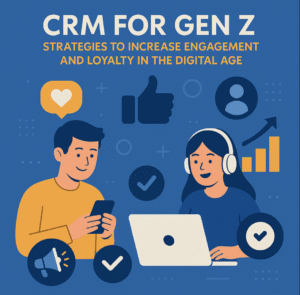
As Generation Z (born between 1997 and 2012) steps into the spotlight as the next major consumer group, businesses must adapt their customer relationship strategies to match their expectations. Gen Z is digital-native, socially conscious, and highly selective about the brands they engage with. Traditional CRM tactics won’t cut it anymore. To connect with this dynamic generation, businesses must modernize their CRM strategies to foster authentic engagement and lasting loyalty.
Understanding Gen Z Behavior
Gen Z has grown up with smartphones, social media, and instant access to information. Their digital fluency shapes their expectations—they value speed, personalization, transparency, and purpose. They’re not just looking for products; they seek experiences, community, and brands that align with their values.
Unlike previous generations, Gen Z isn’t loyal by default. They switch brands easily if they feel neglected or disconnected. This makes CRM not only relevant but essential in building and maintaining meaningful relationships with them.
1. Personalization Through Smart Data
Gen Z expects brands to know them. They’re more likely to engage with companies that offer personalized recommendations, timely notifications, and tailored experiences. CRM platforms can gather behavioral, demographic, and social media data to create individualized customer journeys.
Use AI-driven insights to customize communication—whether it’s offering product suggestions based on browsing habits or sending birthday rewards. However, be mindful: authenticity and relevance matter more than aggressive marketing.
2. Omnichannel Engagement
Gen Z engages with brands across multiple platforms—Instagram, TikTok, messaging apps, websites, and email. A successful CRM strategy must support omnichannel communication to maintain a consistent brand voice and user experience.
Ensure your CRM integrates with all digital touchpoints to track conversations, behaviors, and preferences seamlessly. When Gen Z receives consistent, coherent messages across channels, it reinforces trust and improves engagement.
3. Leverage Gamification and Rewards
Gamification—integrating game-like elements such as challenges, badges, and point systems—can significantly boost Gen Z engagement. CRM tools can track user progress and trigger rewards automatically, keeping users coming back for more.
Loyalty programs should go beyond discounts. Think exclusive access, early releases, or experiences that resonate with Gen Z’s desire for recognition and community.
4. Foster Social and Ethical Connections
Gen Z supports brands that take a stand on social issues and act ethically. Use your CRM not just to market but to communicate values. Share behind-the-scenes stories, sustainability efforts, or charity initiatives in personalized campaigns.
When customers see that their purchase or engagement contributes to a greater cause, they’re more likely to form an emotional bond with your brand.
5. Encourage Interaction and Feedback
Gen Z wants to be heard. Include feedback loops in your CRM strategy—surveys, quick polls, or rating features. Go a step further by acknowledging their input and showing how it impacts your product or service. This deepens connection and makes them feel like part of your brand journey.
Conclusion
To win over Gen Z, businesses must embrace CRM not just as a technology, but as a relationship-building philosophy. Prioritize personalization, ethical branding, and real-time interaction across digital channels. By aligning CRM strategies with the expectations of Gen Z, companies can build long-lasting loyalty and advocacy in the ever-evolving digital age.