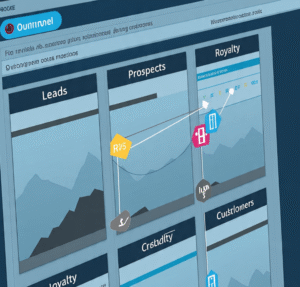
In 2025, customer experience is no longer limited to flashy marketing or a smooth sales pitch — it’s about building a relationship that lasts. Businesses today must manage every touchpoint, from the moment a lead expresses interest to long after they’ve made a purchase. And at the heart of managing that relationship is your CRM system.
A modern Customer Relationship Management (CRM) platform is much more than a tool for sales teams. It’s the central hub that maps, monitors, and manages the entire customer journey — turning casual browsers into loyal advocates.
Step 1: Capturing and Qualifying Leads
Every great customer relationship starts with a lead — someone who’s shown interest in your product or service. CRMs help capture these leads from multiple channels: website forms, social media ads, email sign-ups, chatbots, or even trade show lists. But it doesn’t stop there.
AI-powered CRMs can automatically score leads based on behavior and profile data, helping sales teams focus on the most promising prospects. Is the lead actively engaging with content? Have they visited your pricing page multiple times? Your CRM knows — and it signals when it’s time to reach out.
Step 2: Nurturing Prospects with Personalization
Once a lead is captured, the CRM becomes your strategic partner in nurturing them. Through automated workflows and personalized content delivery, it keeps potential customers engaged with timely emails, product recommendations, and educational resources.
Because CRMs track every interaction, they ensure messages are relevant and well-timed — creating a nurturing process that feels less like a sales funnel and more like a conversation.
Step 3: Converting with Context
When it’s time for the sales team to step in, a CRM provides complete context. Reps can see a lead’s entire history: what emails they opened, what pages they visited, and what conversations they’ve had with your team. This allows for more informed, relevant, and effective sales conversations.
Rather than asking generic questions, reps can tailor their pitch to the lead’s unique pain points — increasing the chances of conversion.
Step 4: Delivering Outstanding Service
The journey doesn’t end at the sale. In fact, it’s just beginning. CRMs support post-sale engagement by integrating with customer service tools, tracking support tickets, managing onboarding tasks, and ensuring seamless handoffs between departments.
Customers don’t want to repeat themselves every time they contact you. A CRM gives your team instant access to a complete customer profile — so every interaction feels personal and efficient.
Step 5: Driving Retention and Loyalty
A smart CRM doesn’t just track customers — it strengthens relationships over time. Through loyalty programs, feedback loops, re-engagement campaigns, and tailored offers, CRMs help businesses stay top-of-mind and relevant long after the initial sale.
With analytics and AI, CRMs can even predict which customers are at risk of churning and alert teams to take proactive action — turning potential losses into retention wins.
Conclusion: One System, Endless Relationships
From the first click to a lifetime of loyalty, the customer journey is long and complex. But with a modern CRM, you don’t need to navigate it blindly. You gain a 360-degree view of every customer, across every stage, on every channel.
In a world where customer experience is king, your CRM isn’t just a system — it’s the engine that powers growth, loyalty, and lasting success.